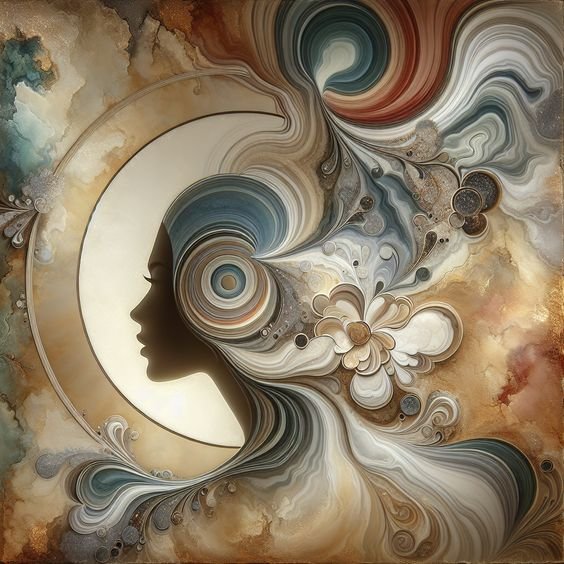
- Intricate designs showcase the sky crown and elevate celestial artistry today
- The Historical Significance of Celestial Headwear
- Evolution of Symbolism
- Modern Interpretations and Artistic Approaches
- The Influence of Astronomy and Cosmology
- Crafting Techniques: From Traditional to Digital
- The Role of 3D Printing and Digital Design
- The Sky Crown as a Symbol in Contemporary Culture
- Future Trends and Sustainable Practices
Intricate designs showcase the sky crown and elevate celestial artistry today
The allure of celestial-inspired design has captivated artists and artisans for centuries, manifesting in countless forms – from the grand domes of architectural marvels to the delicate intricacies of jewelry. A particularly mesmerizing creation born from this fascination is the sky crown, a delicate and symbolic piece that evokes the vastness and beauty of the heavens. It is not simply an adornment; it’s a statement, a connection to something larger than ourselves, reflecting a desire to embody the grandeur and serenity of the sky.
These creations, often featuring delicate metalwork, shimmering stones, and ethereal designs, have evolved from symbols of royalty and divinity to expressions of personal style and spiritual connection. The modern interpretation of this piece expands beyond traditional crown structures, incorporating elements of nature, astronomy, and abstract art. The enduring appeal lies in its ability to transform the wearer, imbuing them with a sense of grace, power, and otherworldly beauty, making it a timeless and sought-after accessory in contemporary fashion and art.
The Historical Significance of Celestial Headwear
Throughout history, headwear symbolizing the sky or celestial bodies has been reserved for rulers and deities. Ancient Egyptians adorned pharaohs with headdresses representing the sun god Ra, signifying their divine right to rule. Similarly, in Greek mythology, gods like Zeus were often depicted wearing laurel wreaths, symbolizing victory and association with the heavens. These early examples weren't merely decorative; they were potent symbols of authority, divinity, and the connection between the earthly and cosmic realms. The materials used – gold, silver, and precious stones – further reinforced this status, mirroring the brilliance of the stars and the sun. The evolution of these designs through different cultures demonstrates a consistent human fascination with the sky and its perceived power.
Evolution of Symbolism
As societies developed, the symbolism associated with celestial headwear shifted and broadened. While retaining its association with power, it began to represent ideals like wisdom, enlightenment, and spiritual ascension. In medieval Europe, coronets and circlets adorned with gemstones were often associated with saints and figures of religious significance. The Renaissance witnessed a revival of classical motifs, with artists and artisans drawing inspiration from ancient Greek and Roman designs. This period saw an increased emphasis on artistry and craftsmanship, resulting in elaborate headpieces that showcased the skill and creativity of the makers. This shift demonstrates not just a reverence for the heavens, but also a growing appreciation for artistic expression and individual identity.
| Material | Symbolic Meaning |
|---|---|
| Gold | Sun, divinity, royalty |
| Silver | Moon, intuition, reflection |
| Sapphire | Sky, truth, wisdom |
| Diamond | Stars, eternity, purity |
The choice of materials was always deliberate, consciously intended to convey specific meanings and reinforce the symbolic weight of the piece. Even today, the materials used in crafting a headpiece inspired by the sky contribute significantly to its overall impact and message.
Modern Interpretations and Artistic Approaches
Contemporary artists and designers have reimagined the sky crown, moving beyond traditional forms and embracing a wider range of materials and techniques. No longer solely associated with royalty or religious figures, these creations now serve as avant-garde fashion statements, wearable art, and expressions of individual identity. We are seeing the incorporation of unconventional materials like recycled metals, glass, and even natural elements like feathers and dried flowers, demonstrating a growing commitment to sustainability and a desire for organic forms. This contemporary shift has liberated the design possibilities allowing pieces to be more accessible and relatable to a broader audience.
The Influence of Astronomy and Cosmology
The increasing interest in astronomy and cosmology has profoundly influenced the aesthetic of modern sky crown designs. Artists are drawing inspiration from nebulae, constellations, and the vastness of space, attempting to capture the ethereal beauty of the cosmos in their work. The use of bioluminescent materials and light-emitting diodes (LEDs) adds a futuristic element, mimicking the twinkling of stars and the glow of distant galaxies. This intersection of art and science creates pieces that are not only visually stunning but also intellectually stimulating, prompting viewers to contemplate the mysteries of the universe. The result is a blend of the archaic and the futuristic.
- Celestial motifs interwoven with modern materials.
- Emphasis on light and luminescence to mimic stars.
- Sustainable and eco-friendly material choices becoming common.
- Increased focus on expressing individual identity through design.
This trend reflects a broader cultural shift towards valuing creativity, innovation, and personal expression. The modern sky crown has become a powerful symbol of individuality and a testament to the enduring human fascination with the cosmos.
Crafting Techniques: From Traditional to Digital
The creation of a sky crown – or any similar celestial headpiece – requires a diverse skillset and a deep understanding of materials and techniques. Historically, these pieces were painstakingly crafted by hand, employing techniques like filigree, granulation, and stone setting. Filigree, involving intricate wirework, allowed artisans to create delicate and airy designs, reminiscent of clouds and celestial formations. Granulation, a technique of fusing tiny metal beads onto a surface, added texture and shimmer, mimicking the sparkle of stars. These traditional methods demanded years of apprenticeship and a remarkable level of precision. Contemporary artists increasingly integrate digital technologies into their process.
The Role of 3D Printing and Digital Design
The advent of 3D printing has revolutionized the field of jewelry and wearable art, offering artists unprecedented freedom in terms of form and complexity. Digital design software allows creators to visualize and refine their designs with incredible accuracy before bringing them to life. 3D printing enables the creation of intricate structures and textures that would be impossible to achieve through traditional methods. Furthermore, it allows for the use of a wider range of materials, including plastics, resins, and even metals. This technology opens new avenues for experimentation and innovation, enabling artists to push the boundaries of what is possible with celestial headwear. It’s a synergy between the old and the new.
- Sketching initial design concepts.
- Creating a 3D model using specialized software.
- Selecting appropriate materials for 3D printing.
- Post-processing and finishing the printed piece.
The fusion of traditional craftsmanship with cutting-edge technology promises even more exciting developments in the future of celestial headwear design, allowing for a continuous evolution of artistic expression and technical skill.
The Sky Crown as a Symbol in Contemporary Culture
The imagery of a sky crown extends beyond the realm of fashion and art; it frequently appears in popular culture as a symbol of empowerment, transcendence, and connection to something greater. In literature and film, characters often wear celestial headwear to signify their elevated status, magical abilities, or spiritual awakening. It represents a departure from the mundane and an embrace of the extraordinary. Furthermore, the use of the sky crown as a visual motif can evoke feelings of wonder, awe, and mystery, enhancing the emotional impact of a narrative. Its appearance serves as immediate shorthand for deeper themes.
Future Trends and Sustainable Practices
Looking ahead, the future of sky crown design is poised to be shaped by a growing emphasis on sustainability, ethical sourcing of materials, and innovative technologies. Artists and designers are increasingly exploring alternative materials like lab-grown diamonds, recycled metals, and plant-based resins to minimize their environmental impact. The demand for bespoke and personalized designs will also likely continue to rise, reflecting a desire for unique and meaningful creations. The use of augmented reality (AR) and virtual reality (VR) technologies could enable customers to “try on” virtual sky crowns before making a purchase, enhancing the shopping experience and reducing the need for physical samples. The integration of these aspects underscores a commitment to both artistic ingenuity and responsible production.
Ultimately, the enduring appeal of the sky crown lies in its ability to connect us to the beauty and mystery of the cosmos. As we continue to explore the universe and deepen our understanding of our place within it, this captivating symbol will undoubtedly continue to inspire and enchant for generations to come.